
The Beauty of Trying
The Beauty of Trying; Why Balancing On One Leg Isn't About Perfection
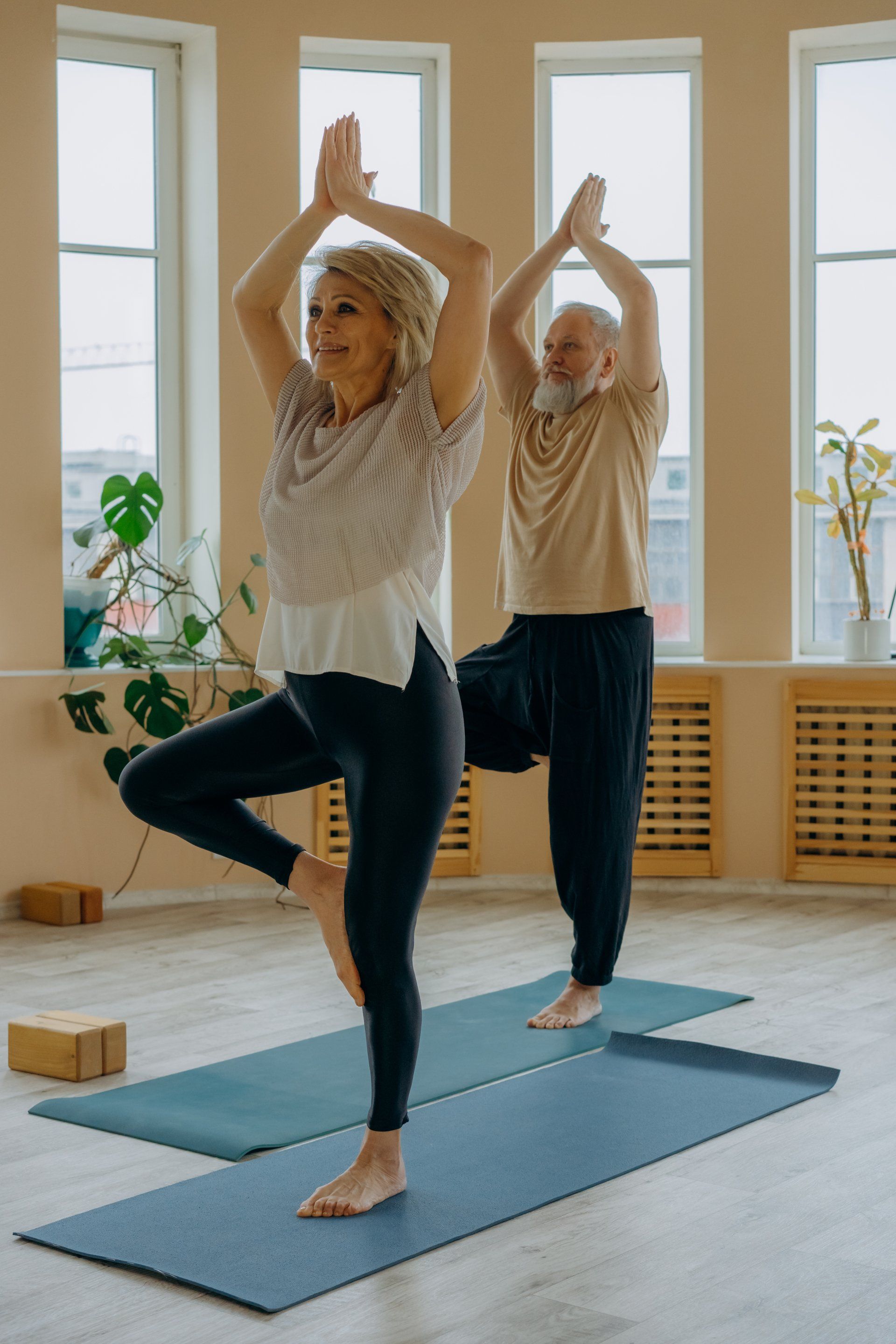
At the end of our summer break, one of my chair yoga students came up to me and said, “I’ve been practicing balancing on one leg all summer — and I’m no better at it!” She looked discouraged, almost apologetic, as if she had somehow failed.
But she hadn’t failed at all.
I told her that the trying was what mattered — not whether she could hold the balance longer or more steadily. Every time she attempted that one-legged balance, her brain and body were doing something profoundly beneficial.
This is the heart of yoga, especially as we age.
Yoga is often portrayed as a series of shapes to master — poses to refine and perfect, like a sport or a skill to conquer. In younger bodies, that pursuit can sometimes make sense. There is a period of athleticism and external achievement that naturally matches youthful energy.
But for an aging body — a wise body — the practice shifts.
It’s not about how it looks.
It’s not about getting “better” at the shape.
It’s about
what happens inside you when you try.
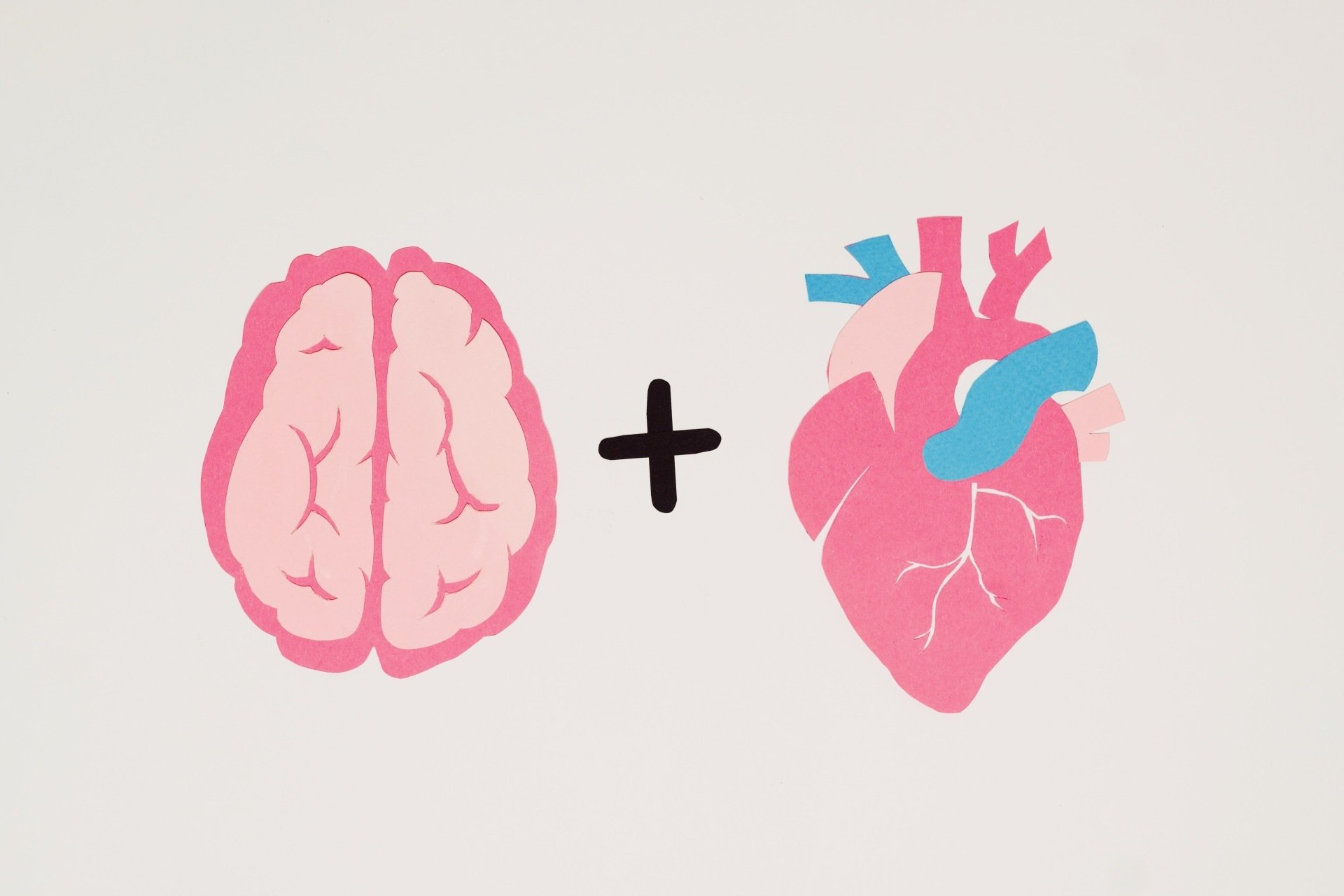
When you stand on one leg, even if you wobble, even if you tip over (please don’t hurt yourself), even if you immediately put your foot back down — your brain is firing neural connections to help you respond, adapt, and stabilize. Your proprioception (inner sense of body position) is being challenged and refined. Your vestibular system (balance centre of the brain) is being stimulated. You are improving reaction time, coordination, and cognitive processing.
In other words — you are exercising your brain just as much as your body.
This is why I see yoga not as an aesthetic practice, but as a longevity practice.
We don’t practice yoga to become experts at yoga. We practice yoga to:
- maintain mobility
- support joint health
- preserve brain function
- reduce anxiety
- build resilience
- cultivate mindfulness
- live well in the bodies we have
When we try — whether we succeed or not — we are engaging in a dialogue with our nervous system. The body says, “let’s see what happens if…” and the brain responds with micro-adjustments, feedback loops, and new pathways.
And that matters far more than ever holding a pose perfectly still.
So if you are wobbling — celebrate that.
If you are shaking — wonderful, something is waking up.
If you are tipping over — your body is learning.
If you are trying — you are benefiting.
"Yoga is not a test you can fail —
and the only “wrong” yoga is the one you don’t practice."
To the student who felt discouraged: your effort was progress. Your brain was getting stronger, even if your pose didn’t appear to be.
And to all of us aging with grace — may we remember that our practice is not a performance. It is a conversation with our bodies, a partnership with our breath, and a devotion to staying active, present, and curious.
Not mastering — but exploring.
Not competing — but connecting.
Not conquering — but softening, noticing, and trying.
That is the essence of yoga as we age — and the very heart of why I teach it.
If you have questions or comments regarding this blog post, I would love to hear from you – email me at traceydrakeyoga@gmail.com
Click Here to find out how to practice yoga with Tracey.
Click Here to know more about Tracey.
Have you read my other blog posts – click here for more.
You can also follow me on Facebook, Instagram, and YouTube.